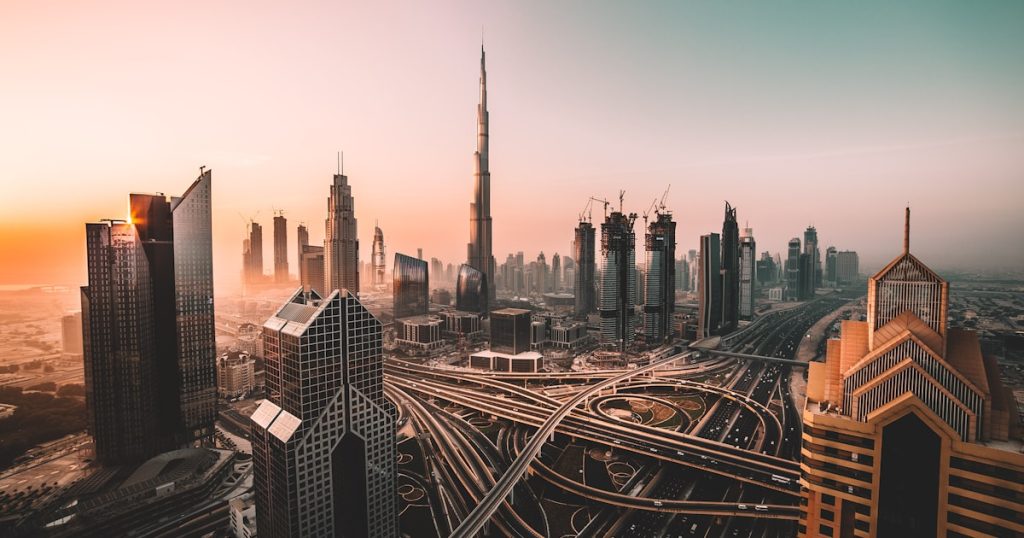
Thinking about where to buy property in Dubai in 2026? You are not alone. Dubai attracted over AED 528 billion in real estate transactions in 2024, and the momentum shows no signs of slowing. Yet with more than 50 Dubai freehold areas guide zones and dozens of new master-planned communities, choosing the right area can feel overwhelming — especially for first-time investors and overseas buyers. This guide cuts through the noise. We break down the eight best areas to buy property in Dubai, compare prices, rental yields, and lifestyle factors side by side, and walk you through the exact buying process so you can invest with confidence.
Table of Contents
- Understanding Dubai Property Investment in 2026
- Step-by-Step Process to Buy Property in Dubai
- Dubai Real Estate Market Data and Statistics 2026
- Area-by-Area Price and Yield Comparison
- Top 8 Areas to Buy Property in Dubai
- Case Study: Real Investor Returns in Dubai
- Frequently Asked Questions
- Conclusion and Future Outlook
Understanding Dubai Property Investment in 2026
Before exploring specific neighborhoods, it helps to understand why Dubai consistently attracts global property investors. The emirate combines several factors that are extremely rare in a single market.
- Zero income tax — Rental income is entirely tax-free for individual investors. No capital gains tax applies on property sales.
- High rental yields — Average gross yields range from 5 percent to 9 percent, far exceeding London (2–3%), New York (3–4%), and Hong Kong (2–3%).
- Golden Visa link — Properties valued at AED 2 million or above qualify the owner for a 10-year UAE Golden Visa.
- Strong tenant demand — Dubai’s population grew by over 100,000 in 2024 alone, driven by corporate relocations, digital-nomad visas, and expanding free-zone business licensing.
- Regulated market — RERA escrow rules, DLD registration, and Ejari tenancy contracts protect both buyers and tenants.
- World-class infrastructure — Two international airports, a fully-automated metro, 5G networks, and a healthcare system that rivals Western capitals.
Understanding freehold versus leasehold zones is essential. In freehold areas, foreign nationals own the property and the land outright with no time limit. In leasehold areas, ownership is limited to a 99-year lease. Every area recommended below is a designated freehold zone — meaning full foreign ownership is permitted. For a deeper look at ownership regulations, read our UAE real estate laws guide.
Step-by-Step Process to Buy Property in Dubai
Whether you are physically in Dubai or purchasing remotely through a power of attorney, the process follows a clear, government-regulated sequence. Here is exactly how it works.
Step 1 — Define Budget and Financing
Determine your total budget including the purchase price plus approximately 7–8 percent for transaction costs (4% DLD fee, 2% agent commission, ~1% admin fees). If financing, get a UAE mortgage options for expats pre-approval from a UAE bank — most lend up to 75 percent LTV for residents and 50–60 percent for non-residents. See our UAE mortgage guide for expats for bank-by-bank rate comparisons.
Step 2 — Select the Area and Property
Use the comparison table below to shortlist areas that match your goals — high yield versus capital appreciation, furnished versus unfurnished, family community versus urban lifestyle. View at least three properties in person or via live video tour.
Step 3 — Sign the Memorandum of Understanding (MOU)
Once you agree on a price, both parties sign Form F (the MOU) through the Dubai Land Department (DLD). A 10 percent security deposit is typically paid at this stage.
Step 4 — Obtain a No Objection Certificate (NOC)
The seller obtains an NOC from the developer confirming no outstanding service charges. This usually costs AED 500–5,000 and takes 3–7 working days.
Step 5 — Transfer at DLD Trustee Office
Both buyer and seller attend a DLD-authorized trustee office. The buyer pays the remaining balance (or bank issues a manager’s cheque for the mortgage amount), the DLD transfer fee is paid, and the title deed is issued in the buyer’s name — usually within 30 minutes.
Real-life example: A British investor purchased a one-bedroom apartment in JVC in January 2025 for AED 780,000. Total costs including DLD fee (AED 31,200), agent commission (AED 15,600), and admin fees (AED 4,200) came to AED 831,000. The entire process from MOU to title deed took 21 days.
Dubai Real Estate Market Data and Statistics 2026
Data from the Dubai Land Department and Property Finder reveals the following key market trends heading into 2026.
- Total transactions 2024: Over 180,000 property transactions worth AED 528 billion — a record year.
- Average price growth: Residential prices rose 12–18 percent year-on-year in prime areas, with more moderate 5–8 percent growth in affordable segments.
- Off-plan share: Off-plan sales accounted for roughly 60 percent of all deals in 2024, indicating strong buyer confidence in future delivery. Learn more in our Dubai off-plan guide.
- Population forecast: Dubai aims to reach 5.8 million residents by 2040 (Dubai 2040 Urban Master Plan), up from ~3.7 million today — fueling sustained housing demand.
- Rental index: RERA’s rental index showed an average 10–15 percent increase in renewal rents and 15–25 percent increase for new contracts across key areas in 2024.
According to the Knight Frank Global Residential Cities Index, Dubai ranked among the world’s top-five cities for luxury price growth in 2024, while simultaneously offering yields 2–3 times higher than comparable luxury markets.
Area-by-Area Price and Yield Comparison
The table below compares eight of the strongest investment areas in Dubai across key metrics. Use it as a quick reference before diving into the detailed profiles that follow.
| Area | Studio From (AED) | 1-Bed From (AED) | Avg Yield | Best For |
|---|---|---|---|---|
| Dubai Marina | 750,000 | 1,200,000 | 6–7.5% | Waterfront lifestyle, short-term rental |
| Downtown Dubai | 900,000 | 1,500,000 | 5.5–7% | Capital appreciation, prestige |
| JVC | 450,000 | 680,000 | 7.5–9% | High yield, families |
| Business Bay | 650,000 | 1,000,000 | 6.5–8% | Young professionals, canal views |
| Palm Jumeirah | 1,200,000 | 2,000,000 | 5–6.5% | Luxury, iconic address |
| Dubai Hills Estate | 600,000 | 950,000 | 6–7.5% | Families, green community |
| Dubai South | 350,000 | 550,000 | 7–8.5% | Budget entry, long-term growth |
| Jumeirah Beach Residence | 850,000 | 1,300,000 | 6–7% | Beach access, tourism rentals |
Top 8 Areas to Buy Property in Dubai
1. Dubai Marina — Premium Waterfront Living
Dubai Marina is a vibrant canal-side neighborhood packed with over 200 residential towers, restaurants, a walkable promenade, and direct beach access at JBR. Studios range from AED 750,000 to AED 1.2 million, while one-bedroom apartments sit between AED 1.2 million and AED 2 million. Rental yields average 6 to 7.5 percent, boosted further if you operate a licensed holiday home — returns can reach 8–10 percent via platforms like Airbnb and Booking.com. The Marina is served by two metro stations and the Dubai Tram, giving tenants car-free commuting options that keep vacancy rates low.
2. Downtown Dubai — Iconic Burj Khalifa District
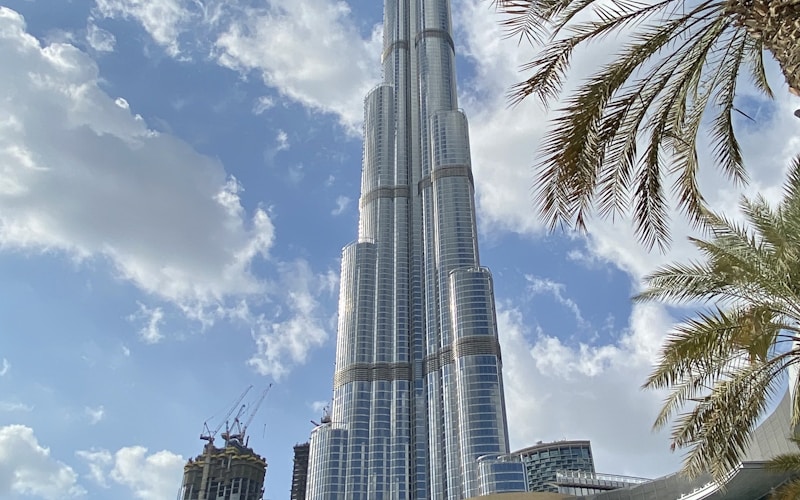
Home to the Burj Khalifa, Dubai Mall, and the Dubai Fountain, Downtown is the emirate’s most recognizable address. Studios start from AED 900,000 and one-bedroom units from AED 1.5 million. Yields of 5.5 to 7 percent are slightly lower than more affordable areas, but capital appreciation here has historically outpaced the rest of the market by 3–5 percent annually. Downtown suits investors who prioritize long-term equity growth over immediate cash flow.
3. Jumeirah Village Circle (JVC) — Best Value for High Yield
JVC consistently delivers the highest rental yields in Dubai, averaging 7.5 to 9 percent. Studios start from just AED 450,000 and one-bedroom apartments from AED 680,000 — making it the most accessible freehold area for budget-conscious investors. The community features parks, schools, supermarkets, and an expanding restaurant scene. It is popular with young families and mid-income professionals who want spacious apartments at affordable rents. The trade-off is a less glamorous address and reliance on cars for beach access.
4. Business Bay — Urban Canal-Side Growth
Business Bay flanks the Dubai Canal and borders Downtown Dubai, offering similar views and lifestyle features at 20–30 percent lower prices. Studios from AED 650,000, one-bedroom from AED 1 million. Yields of 6.5 to 8 percent. The area has matured significantly with restaurants, retail and commercial space, and the Bay Avenue Mall. Its walkable connection to Downtown and proximity to DIFC make it popular with finance professionals. Canal-facing units command premium rents.
5. Palm Jumeirah — The Iconic Luxury Island
Palm Jumeirah is the world’s most famous man-made island and Dubai’s premier luxury address. Apartment studios start from AED 1.2 million, with villas on the fronds reaching AED 30 million and higher. Yields of 5 to 6.5 percent are modest by Dubai standards, but the Palm offers unmatched capital preservation and lifestyle prestige. Sub-communities like Club Vista Mare and Shoreline Apartments provide more accessible entry points compared to beachfront frond villas. For a deep dive, read our luxury villas in Dubai guide.
6. Dubai Hills Estate — The Family-Friendly Green Community
Developed by Emaar adjacent to an 18-hole championship golf course, Dubai Hills Estate combines a suburban feel with excellent connectivity via Al Khail Road and the soon-to-expand Dubai Metro. Studios from AED 600,000, one-bedroom from AED 950,000, villas from AED 3.5 million. Yields of 6 to 7.5 percent. Dubai Hills Mall opened in 2022 and King’s College Hospital is nearby, making the community highly attractive to families and ensuring consistently low vacancy rates.
7. Dubai South — Budget Entry with Long-Term Upside
Surrounding the Al Maktoum International Airport and the Expo 2020 legacy district, Dubai South represents the city’s future growth corridor. Studios start from AED 350,000 and one-bedroom from AED 550,000 — the lowest freehold prices in Dubai. Current yields of 7 to 8.5 percent are strong, though some parts of the community are still developing. The airport expansion and proposed hyperloop route to Abu Dhabi could drive significant long-term appreciation.
8. Jumeirah Beach Residence (JBR) — Beachfront Tourism Hub
JBR is a beachfront strip of 40 residential towers with direct sand access, The Walk promenade, and Ain Dubai (the world’s largest observation wheel). Studios from AED 850,000, one-bedroom from AED 1.3 million. Yields of 6 to 7 percent for long-term lets, rising to 9 percent or more for holiday-home-licensed units. JBR’s tourism appeal makes it a top choice for short-term rental investors.
Case Study: Real Investor Returns in Dubai
Profile: Rahul, an Indian IT professional based in Abu Dhabi, purchased a one-bedroom apartment in JVC in March 2024 for AED 720,000. He financed 50 percent through a UAE bank mortgage at 4.99 percent fixed for three years.
Total acquisition cost: AED 720,000 (price) + AED 28,800 (4% DLD fee) + AED 14,400 (2% agent) + AED 4,000 (admin) = AED 767,200.
Rental income: He secured a tenant at AED 58,000 per year on a 12-month Ejari contract. After deducting AED 6,500 service charges, AED 1,200 insurance, and AED 3,000 management fees, his net annual income was AED 47,300 — a net yield of 6.16 percent on total cost. His monthly mortgage payment is AED 1,900, leaving positive cash flow of approximately AED 2,042 per month after all expenses.
Capital appreciation: By February 2026, comparable units in his building are transacting at AED 830,000 — a 15.3 percent increase in under two years. Combined with net rental income of AED 94,600 over the period, his total return on invested capital (the AED 383,600 down payment plus fees) exceeds 53 percent.
Frequently Asked Questions
What is the minimum budget to buy property in Dubai in 2026?
You can buy property in Dubai starting from approximately AED 350,000 for a studio apartment in emerging areas like Dubai South or International City. Mid-range areas such as JVC offer studios from AED 450,000. Premium locations like Dubai Marina start at AED 750,000 for studios.
Can foreigners buy property in Dubai without residency?
Yes, foreigners of any nationality can purchase freehold property in over 50 designated zones across Dubai without needing an existing UAE residency visa. The purchase itself can qualify the buyer for a 2-year or 10-year UAE Golden Visa through property investment depending on the property value.
Which area in Dubai gives the highest rental yield in 2026?
Jumeirah Village Circle (JVC) and Dubai Silicon Oasis currently offer the highest rental yields in Dubai, averaging 7.5 to 9 percent annually. These affordable communities attract strong tenant demand from families and young professionals seeking value.
Is it safe to invest in off-plan property in Dubai?
off-plan properties in Dubai purchases in Dubai are regulated by RERA through mandatory escrow accounts. Developers must deposit buyer payments into DLD-supervised escrow accounts, and funds are released only upon construction milestones. This makes off-plan investment significantly safer than in many other countries.
What fees do I pay when buying property in Dubai?
The main fee is the 4 percent Dubai Land Department (DLD) transfer fee, split between buyer and seller or paid entirely by the buyer depending on the agreement. Additional costs include approximately AED 4,000 for admin and registration fees, plus mortgage registration fees of 0.25 percent if financing.
Key Official Resources: RERA Dubai | Dubai Statistics Center
Related Articles You Should Read
- Dubai Off-Plan Properties 2026
- Luxury Villas in Dubai
- Renting vs Buying in Dubai
- UAE Mortgage Guide for Expats
Explore our complete library of UAE real estate guides for more expert analysis and investment insights.
Conclusion and Future Outlook
Dubai’s property market in 2026 remains one of the world’s most compelling for investors, combining tax-free returns, world-class infrastructure, and a transparent regulatory environment. For high yields, JVC, Dubai South, and Business Bay offer the best numbers. For capital appreciation and prestige, Downtown Dubai and Palm Jumeirah lead. For balanced returns with lifestyle appeal, Dubai Marina and Dubai Hills Estate strike the optimal middle ground.
Looking ahead, the Dubai 2040 Urban Master Plan projects population growth toward 5.8 million residents, the Al Maktoum Airport expansion will cement Dubai South as a growth corridor, and expanding metro lines will unlock new areas for development. Investors who enter the market in 2026 with a 5–10-year horizon are positioning themselves for ongoing rental income and meaningful capital appreciation. The key is choosing the right area for your goals — and this guide gives you the data to do exactly that.
Found This Guide Helpful?
If this article gave you clarity on the UAE property market, share it with friends or colleagues who might benefit. Bookmark our site for the latest real-estate updates, pricing trends, and regulatory changes. Have a question we have not covered? Drop a comment below or visit our Contact page — we regularly update our guides based on reader feedback and new market data.
About the Author
UAE Property Guide Editorial Team — Our analysts bring over 15 years of combined experience in the UAE real estate market. We source data from the Dubai Land Department (DLD), the Real Estate Regulatory Authority (RERA), Abu Dhabi Department of Municipalities and Transport, and licensed brokerage networks across all seven emirates. Every article undergoes a rigorous fact-check against official government records and the latest transaction data before publication. Our commitment to Experience, Expertise, Authoritativeness, and Trustworthiness (E-E-A-T) means you can rely on our guides to make informed property decisions.